
Regulatory Updates Newsletter: April 2026
Welcome to the April 2026 edition of our Regulatory Newsletter.
This month’s global updates reflect continued momentum on technology and governance reforms, as well as measures to bolster financial stability and international coordination. Highlights include the European Banking Authority’s major proposals to simplify banks’ reporting, the UK’s Bank of England updating its bank failure (“resolution”) guides (with new cross-border bail-in tools), and a U.S. FinCEN proposal to refocus AML compliance on risk-based effectiveness.
Other notable news ranges from the FCA leading a global effort against illegal social-media “finfluencers” to APRA modernizing life insurer reporting in Australia and the HKMA granting Hong Kong’s first licensed stablecoin issuers.
Dive in for official releases and insights shaping the regulatory landscape.
EBA Consults on Supervisory Reporting Simplification

The European Banking Authority launched a consultation to simplify EU bank supervisory reporting.
The package of changes aims to reduce the number of data points by roughly 50% while incorporating new IFRS 18, ESG and FRTB requirements into the core framework. It strengthens proportionality for small and non-complex institutions, and merges separate stress‑test and benchmarking data calls into regular reporting to cut overlaps. The EBA will also develop an EU-wide public repository of reporting requests and improve data standards (e.g. updated Data Point Model).
These reforms (to apply from late 2027) are intended to preserve supervisors’ needed information while dramatically cutting firms’ compliance burden.
Implications
Banks should prepare for much leaner yet better-integrated reporting, with roughly half the data points and harmonised definitions across EU and national requirements. Smaller banks will see lighter requirements (“core plus supplement” approach).
The changes pave the way for an integrated EU reporting system (under the Joint Bank Reporting Committee). Industry can engage in the consultation through July 10 (except IFRS 18 items by May 10) and track EBA workshops on implementation.
Source – European Banking Authority (EBA)
BoE Updates Resolution Guides for Bank Failures
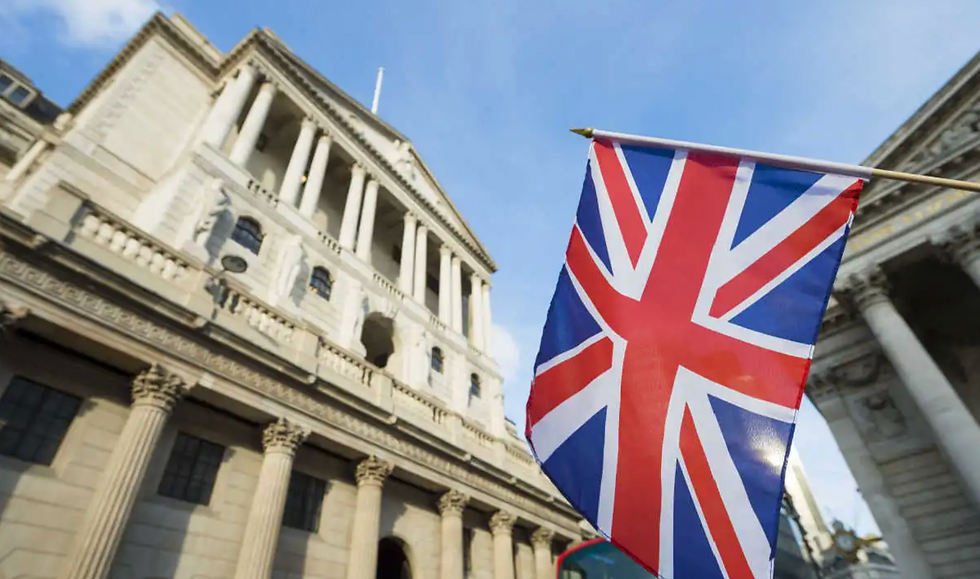
On 13 April, the BoE’s Resolution Authority published new operational guides for handling a UK bank failure.
A Transfer Resolution guide explains how failing banks’ assets could be sold or transferred (to private buyers or a temporary bridge bank), including any required recapitalisation. The Bail-in Resolution guide has been updated with lessons from recent bank failures. Notably, it introduces an alternate bail-in mechanism whereby creditors receive non-transferable “contingent beneficial interests” (essentially rights to shares or sale proceeds) instead of directly receiving equity immediately. These interests, created at entry into resolution, simplify imposing losses on creditors while waiting for a final valuation.
The BoE also announced it has secured a “no-action” letter from the U.S. SEC, confirming that these contingent interests can be issued to creditors without SEC registration – a key step to enable cross-border bail-in of UK banks.
Implications
UK banks and their creditors gain clarity on how resolution would operate, reinforcing that firms must plan for failing ‘bail-in’ scenarios as well as transfers. The SEC letter removes a major legal uncertainty, supporting the international effectiveness of UK bail-in tools.
Resolution planning (for banks and building societies) now accommodates this new creditor instrument. Supervisors will integrate these guides into their recovery-and-resolution exercises. Overall, the BoE has signaled strong commitment to operational readiness and international coordination on resolution.
Source – Bank of England (BoE)
FCA Leads Global Crackdown on Illegal “Finfluencers”
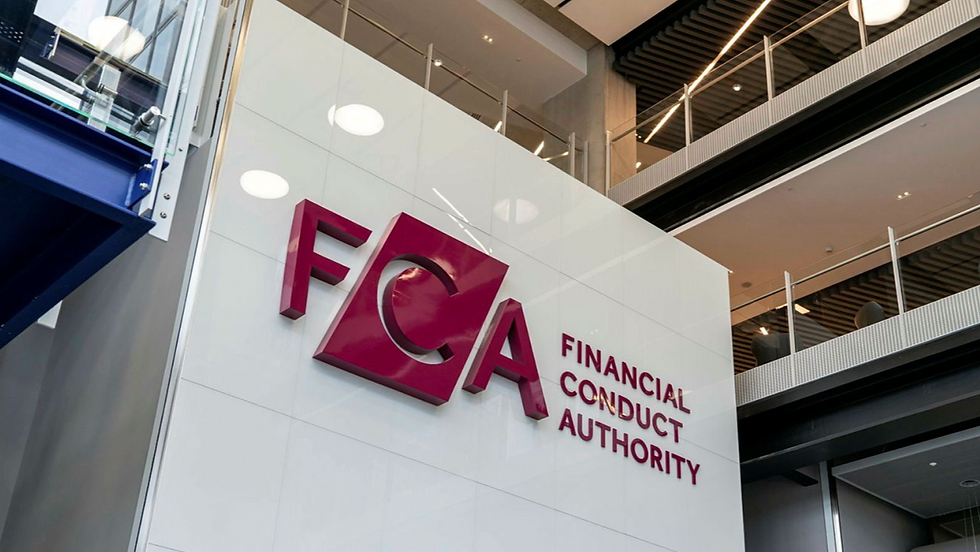
The UK’s Financial Conduct Authority reported on its leadership of an international “week of action” targeting illegal financial influencers on social media.
Seventeen regulators worldwide (including ASIC, MAS, SEBI, etc.) coordinated enforcement and awareness efforts that began 20 April. In the UK, the FCA secured a guilty plea from reality-TV star Aaron Chalmers for an unauthorised promotional post, and initiated criminal proceedings against two others. It also sent warning letters to suspected promoters, added dozens of accounts to its Warning List, and made 120 takedown requests to platforms (identifying over 1,200 illegal adverts reaching millions of viewers).
FCA officials publicly called on social media companies to do more to suppress unauthorized financial promotions at source.
Implications
Regulators are increasingly using digital enforcement to protect consumers from online scams. Financial firms and platforms should expect more scrutiny of social media content. This cross-border operation highlights the need for firms to verify authorization status when working with influencers.
The action underscores that global cooperation is essential – “finfluencers” across jurisdictions are being monitored. Platforms are being pressured to detect and remove illegal financial ads proactively.
Source –FCA
FCA/PRA Streamline Senior Managers Regime

The FCA and PRA unveiled reforms to the UK’s Senior Managers and Certification Regime (SM&CR) to reduce firms’ burden while maintaining accountability.
Measures include giving firms more time to submit senior-manager applications after unexpected staff changes, and removing the need to certify one person for overlapping roles (cutting ~15% of certification roles). They will raise several enhanced-authority thresholds by 30%, meaning only larger firms will face the strictest requirements. The regulators will allow more time to update senior-manager directories and to re-verify applicants’ criminal records.
A government letter indicated future steps (pending legislation) such as removing the certification regime entirely for mid-level staff and reducing pre-approval for some manager functions.
Implications
Financial firms should review their SM&CR policies to take advantage of these immediate streamlining steps (effective now) – e.g. consolidating covered roles and adjusting annual Fit & Proper checks.
The core principle of accountability remains, but the regime becomes more flexible and proportionate. Smaller and mid-sized banks and insurers will face significantly fewer compliance requirements.
This is a first phase of wider “Regulatory Reform” (the Leeds reforms) to halve SM&CR burdens; firms can anticipate further FCA/PRA consultations later this year to leverage upcoming legislative freedoms.
Source – Bank of England (PRA)
FinCEN Proposes Overhaul of AML Programs

On 7 April, the U.S. Treasury’s Financial Crimes Enforcement Network released a proposed rule to fundamentally reform AML/CFT compliance programs under the Bank Secrecy Act.
The proposal shifts focus from box‑checking to risk-based effectiveness. Key changes include distinguishing deficiencies in program design versus implementation, and encouraging banks to focus resources on their own high-risk areas. FinCEN would clarify that examiners and auditors should not override a bank’s risk-based program.
The rule emphasizes that financial institutions, not regulators, should drive risk assessment, and it empowers banks to target controls at higher-risk activity. FinCEN also envisions a formal coordination framework with federal bank regulators for supervisory actions. This draft, which would supersede an earlier 2024 proposal, is open for comment until 9 June.
Implications
U.S. banks should prepare for a paradigm shift in AML expectations – moving away from rote compliance (like counting reports) and toward demonstrating actual risk mitigation. The changes would likely reduce burdens on low-risk tasks (e.g. repeating benign checks) and strengthen emphasis on higher-risk transactions.
Compliance and audit teams must adapt, for example by enhancing internal testing that verifies risk‐focused controls. FinCEN’s proposal signals that enforcement and examiners will realign to this approach if finalized. Industry participants and trade groups should carefully review the proposals and respond by the public comment deadline.
Source – U.S. Treasury (FinCEN)
APRA Consults on Life Insurer Reporting Migration

The Australian Prudential Regulation Authority published a consultation on moving life insurers’ data reporting from the old “Direct to APRA” (D2A) system into the APRA Connect platform.
APRA had previously shut down D2A (as of 27 March). The proposals update reporting standards (LRS 112.3, 114.2, 114.3) so that insurers use the same templates and definitions already in place for other insurance data. APRA emphasizes there will be no material changes to the data insurers submit; the goal is simply a consistent reporting approach, with enhanced security and data quality from a single portal.
The timetable foresees consultations in May–June and industry testing by late 2026, with first live reporting in APRA Connect for Q4 2026.
Implications
All Australian life insurance companies should begin preparing for this transition by reviewing the proposed changes. The move to APRA Connect will eventually streamline firms’ reporting processes and align them with other sectors. Insurers should plan for some systems work and end-user training, but expect no change to the actual data fields.
This initiative is part of APRA’s broader digital transformation, and firms are encouraged to submit feedback by 3 July.
Source – APRA
HKMA Grants First Stablecoin Issuer Licences
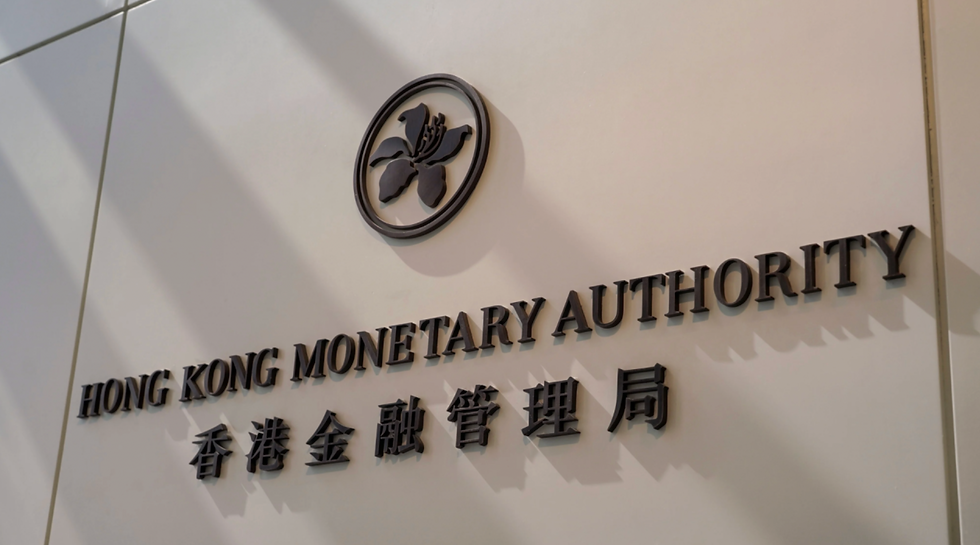
Hong Kong’s Monetary Authority announced that it has granted the first two stablecoin issuer licences under the city’s new regulatory regime.
The licences (effective immediately) were awarded to Anchorpoint Financial Limited and to HSBC Hong Kong. Both firms plan to launch licensed stablecoin products in the coming months. HKMA Chief Eddie Yue said this is an “important milestone” for digital assets in Hong Kong: the regulated framework will ensure user protection and risk controls while allowing innovation. The HKMA also reminded the public to use only regulated channels for stablecoins and to consult its public register to avoid scams.
Implications
The commencement of licensed stablecoins marks a key step in Hong Kong’s fintech ambitions. It signals that firms developing blockchain payment solutions now have a clear pathway to operate under supervision. Market participants should note the high standards for issuance set by HKMA (including risk management and consumer safeguards).
Other jurisdictions watching Hong Kong’s approach may draw lessons for balancing innovation and protection. As commercial launches approach, banks and payment firms should ensure their infrastructures and compliance controls are ready for potential stablecoin integration.
Source – Hong Kong Monetary Authority (HKMA
US Agencies Finalize Changes to Community Bank Leverage Ratio

The U.S. banking regulators announced a final rule modifying the Community Bank Leverage Ratio (CBLR) framework. The leverage threshold for community banks has been lowered from 9% to 8%, making it easier for more small banks to opt into the simple leverage-based capital metric.
The rule also extends the grace period (for falling below the 8% ratio) from two quarters to four. These changes, adopted without other revisions from the November 2025 proposal, will take effect on 1 July 2026. Banks in the CBLR framework continue to maintain a capital level well above the standard leverage requirement, so safety and soundness is preserved.
Implications
Community (smaller) banks now have greater flexibility to use the CBLR instead of more complex risk-based capital rules. By widening eligibility, regulators aim to reduce burdens on these banks while still ensuring adequate capital buffers.
Firms considering the leverage framework can re-evaluate their capital strategies now that the threshold is lower. The extended grace period provides extra relief for firms that may temporarily dip below the ratio.
Overall, this final rule encourages the continued use of a simpler measure of capital adequacy for community banks, consistent with federal statutory authority.
Source – FDIC (joint release with FRB, OCC)
Summary of Other Notable Updates
Jurisdiction | Regulator | Update | Source |
European Union | EBA | Published a report on gender diversity in EU banking leadership, highlighting persistent gender imbalances and pay gaps in banks’ management bodies. | |
European Union | European Commission | Launched a consultation on amending EU market-risk rules (FRTB) in the Capital Requirements Regulation to ease the short-term capital impact for banks. | |
United Kingdom | HM Treasury | Published a draft statutory instrument to streamline stablecoin regulation in payment services, carving out UK-issued stablecoins from the crypto perimeter. | |
United Kingdom | HM Treasury | Announced a package to modernize payments regulation (21 Apr), integrating stablecoins and tokenised assets into a unified framework and new Open Banking powers. | |
United States | SEC | Approved an exemptive order permitting broker‑dealers (also registered as futures FCMs) to offer customers cross‑margining of U.S. Treasury cash and futures positions. | |
United States | CFTC | Approved an order allowing certain clearing firms to commingle Treasury futures customer funds at FICC, facilitating cross‑margining of futures and cash positions. | |
United States | OCC / Federal Reserve / FDIC | Issued updated model risk guidance (Apr 17) with a narrower “model” definition, a $30 billion asset threshold, and an explicit exclusion of generative AI models. | |
Singapore | MAS | Issued a consultation paper (17 Apr) on more flexible prudential treatment of crypto‑assets on permissionless blockchains, allowing risk-based capital relief. | |
European Union | EIOPA | Opened a consultation (15 Apr) on the treatment of proportional reinsurance treaties, ensuring that solvency capital relief matches the actual risk transfer. |


MM88 khiến mình chú ý đến sự cân bằng giữa số lượng danh mục và khả năng nhận diện từng khu trên giao diện. Game bài, casino và bắn cá được phân chia riêng, nên mình có thể xác định hướng lựa chọn mà không cần xem từng nội dung cụ thể ngay lập tức. Mỗi khu đóng vai trò như một phạm vi để mình tiếp tục tìm kiếm khi cần. Mình đánh giá cách bố trí này giúp giao diện có nhiều hướng khám phá nhưng không tạo cảm giác phải xử lý tất cả cùng lúc. Khi đã quen cấu trúc, mình có thể tìm lại từng khu khá chủ động.